DSC01127

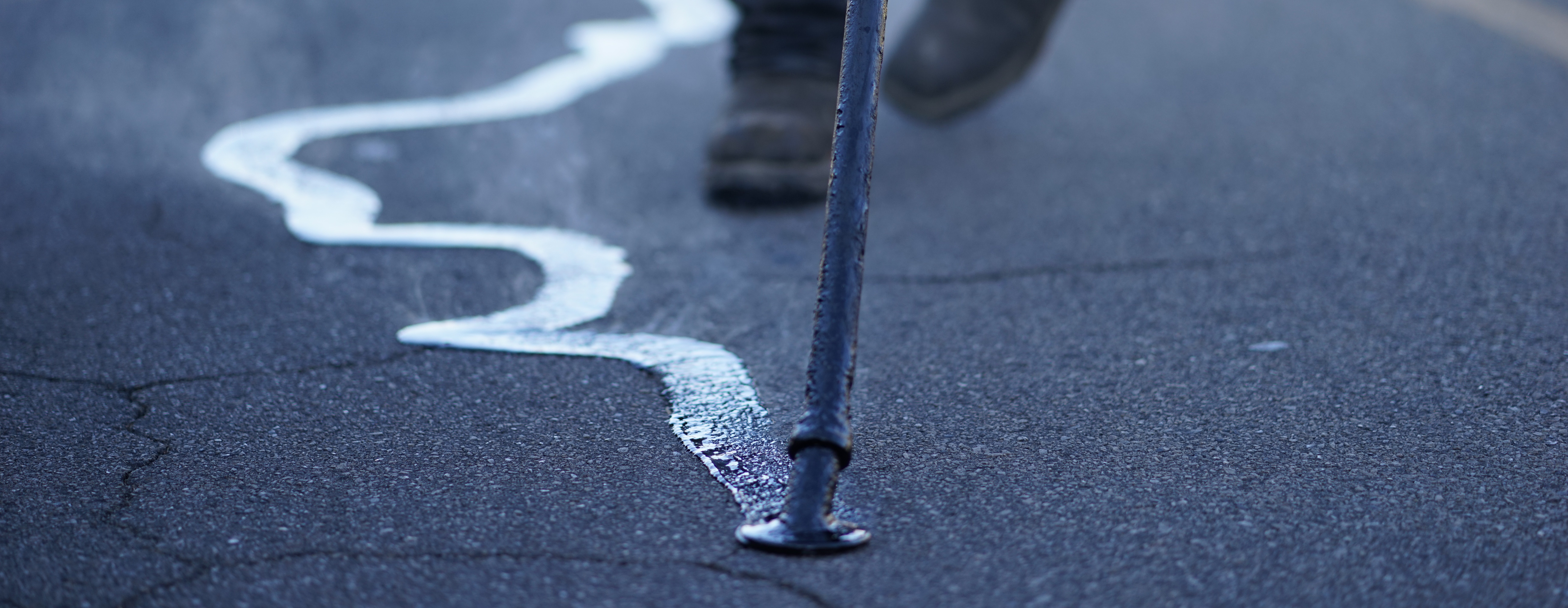
Crack Seal

Customer Responsibilities

  • Turn off your sprinklers or other water sources so that the area is clean and dry when the crew is scheduled to arrive.
  • Reschedule deliveries and pickups. Notify all affected parties.
  • You are responsible to provide adequate access for heavy equipment to the site. Damage caused to access points during construction is the customer's responsibility.
  • Remove all encumbrances from the work area, including dumpsters, vehicles, flower pots, trailers, etc.
  • Spray and remove weeds. Weeds should be sprayed with an herbicide and a sterilant 2-3 times prior to work being performed. Unless listed in your estimate, this is the customer's responsibility.

After care

  • Stay off the crack seal until set. Set time depends on temperature. In cooler weather, crack seal can be driven on shortly after application. In warmer temperatures, crack seal should be kept off for several hours until the product has cooled.
  • There really isn’t much you need to do. Control and kill weeds and other vegetation in and around your asphalt to prevent it from growing through.
  • Watch for cracks to re-open or new cracks to form. When they reach a minimum of ¼ inch wide and deep, it’s time to look at sealing them.

After appropriate timeframe, remove any barricades and enjoy your new asphalt! Throw away disposable barricade materials and set aside cones for Top Job to pick up, when applicable.

What to Expect from Your Service

  • Not all cracks are good candidates for crack sealing. Cracks smaller than ¼ inch (hairline cracks) are generally not sealed by Top Job. Because these cracks are too narrow to properly hold the material, the sealant can easily pull away under traffic or snow removal. Sealing hairline cracks provides little benefit and creates unnecessary expense for the customer. Industry experts agree that the minimal amount of water that may penetrate hairline cracks is unlikely to cause meaningful damage to the pavement's base or structural integrity.
  • Cracks don’t need to be filled all the way to the top, and in fact over-filling cracks causes issues like pullout, tracking, and tripping hazards, to name a few. The primary function of crack sealing asphalt is to prevent water from damaging the pavement.
  • It is not the general practice of Top Job to seal alligator cracks. Crack seal is designed to protect the base material from saturation and erosion. Alligator cracking is an indication that base failure has already occurred. So crack sealing them is like closing the barn door after all the horses have already run away. It is a waste of funds and will not solve the problem.
  • Unless edge seal is listed in your estimate, it is not included in a crack seal project. Many customers don’t want crack seal on their concrete and or don’t want to pay the extra money for this service. If your estimator did not include a price for edge seal and you would like to consider getting this done please let us know.
  • The hot tar is approx 400 degrees, which can result in burns or bodily injury.
  • For commercial customers: If the lot is in current use, the crew will circle around multiple times as cars come and go in an effort to hit everything, however any cracks that are consistently inaccessible will not be hit, and a remobilization fee will apply if you want us to come back to seal them.

The Top Job Difference

  • Crack sealing requires meticulous adherence to a proven process to ensure the best results.

Want more information on the crack seal process?

Check out our crack seal service page HERE.