
Hiring a Utah paving contractor can mean the difference between a surface that lasts two decades and one that cracks within five years. Whether you need a commercial parking lot or repairs to an aging road, understanding how these professionals work helps you make smarter decisions and protect your property investment.
To find a reputable Utah paving contractor, check their credentials, review their portfolio of completed projects, and ask the right questions to ensure you are hiring a reliable professional.
Key Takeaways
- A paving contractor in Utah handles the full scope of asphalt and concrete surface work, from site preparation and grading to installation, striping, and long-term maintenance planning.
- By choosing the right local contractor, you get the best results, verify licenses, insurance, references, and detailed written estimates; responsiveness and clear communication often predict project success.
- The typical asphalt paving process follows a predictable sequence: consultation, site prep, base work, installation, and finishing, with timelines ranging from days for driveways to weeks for phased commercial lots.
- National 2024–2025 pricing runs $7–13 per square foot for new driveways and $8–15 for commercial parking lots, with costs varying by thickness, base condition, drainage needs, and phasing complexity.
- Routine maintenance like crack sealing and sealcoating every 3–5 years can extend pavement life by 5–15 years, helping you get great long-term value from your pavement and making ongoing care as important as quality installation.
What Does a Paving Contractor Do?
A paving contractor in Utah is a specialized professional who installs, repairs, and maintains asphalt, concrete, and related surfaces in the state of Utah. These asphalt contractors are serving residential, commercial, and municipal customers in specific regions and communities, providing solutions tailored to each property’s needs.
Modern Utah paving contractors manage complete projects from start to finish.
This includes:
- Initial site assessment and estimating
- Design input for drainage and grading
- Permit coordination where required
- Material selection and construction
- Maintenance planning and long-term care
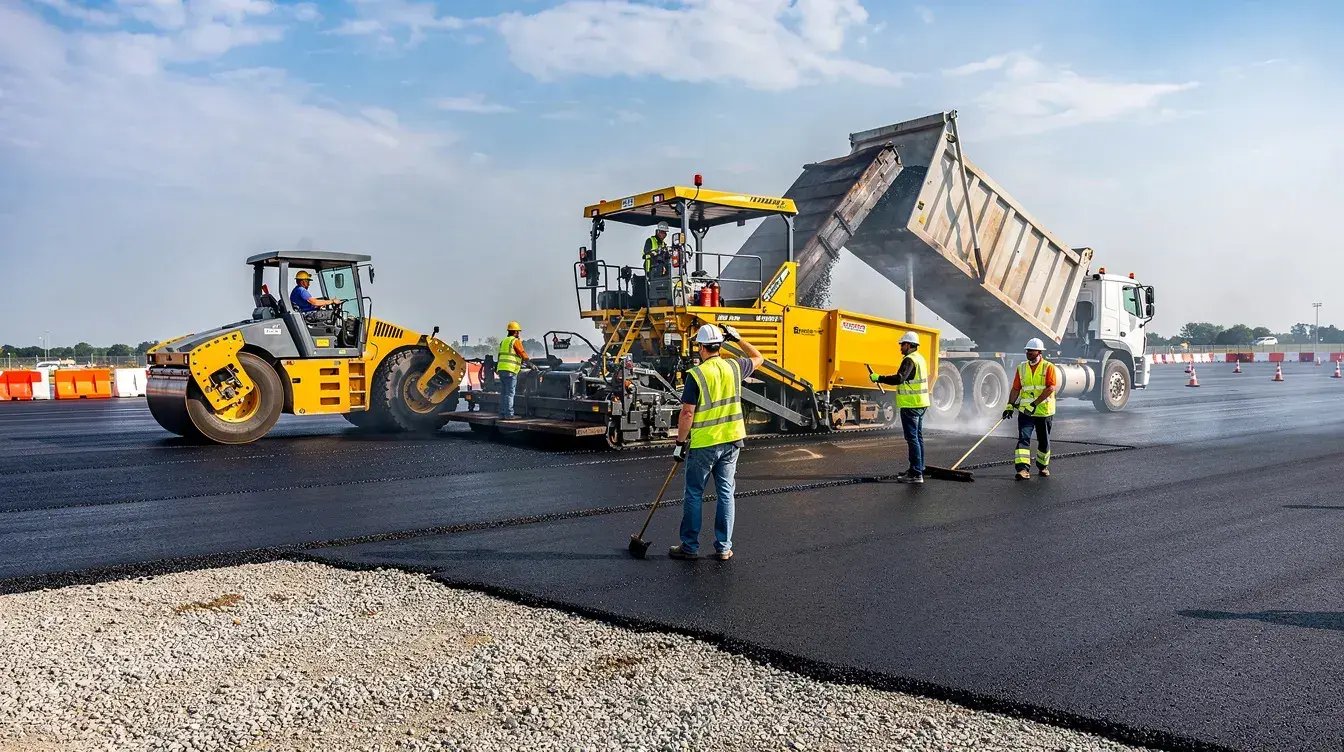
A typical paving crew includes skilled laborers, equipment operators running pavers and rollers, truck drivers hauling hot-mix asphalt, and mechanics maintaining machinery. This team works together to complete every job efficiently and meet quality standards.
Many contractors specialize in asphalt paving but also handle stone base work, milling, soil stabilization, and related site improvements. Their expertise extends beyond simply laying pavement, they ensure the entire foundation supports durable, long-lasting surfaces.
Types of Paving Projects a Contractor Handles
A single Utah paving company can support residential, commercial, and municipal clients, each with different priorities and requirements. The location of a project can significantly influence factors such as overall cost, site preparation needs, and the availability of materials.
Residential Projects
Residential work focuses on driveways, private lanes, walkways, and small parking pads. For homes built or renovated after 2000, contractors typically handle:
- New driveway installation with excavation and base preparation
- Resurfacing worn surfaces
- Private walkway construction
- Carport and parking pad additions
Commercial Projects
Commercial paving accounts for roughly 62% of top contractors’ time in 2025. Common projects include parking lots for banks, office parks, shopping centers, apartment communities, and convenience stores.
These jobs often require phasing, dividing lots into sections and working nights or off-peak hours, to keep the business open during construction.
Municipal and Institutional Work
This category covers streets, intersections, school campuses, university athletic courts, and public facilities. Examples include reconstructing tennis courts at colleges or stabilizing soil for large building projects.
Experienced Utah asphalt contractors adapt methods for each use: thicker sections and stronger bases for heavy road traffic, smoother finishes and careful striping for retail lots, and ADA-compliant layouts where required.
The Asphalt Paving Process Step by Step
While every paving project is unique, most asphalt jobs follow a predictable sequence from initial visit to completed surface.
Initial Consultation
The contractor inspects the site, measures the area, assesses existing pavement or soil condition, and discusses your needs. You receive a written estimate with timeline and payment terms.
Site Preparation
This phase includes:
- Clearing and demolition of old pavement if needed
- Grading to establish proper slopes for drainage
- Compacting the subgrade
- Installing a proper base or performing soil stabilization for native soil
Installation
Crews haul hot-mix asphalt from a nearby plant, place it using paver machines, and compact it with rollers.
Finishing and Curing
Final steps include edge joints, transitions to existing surfaces, parking lot striping, and traffic control signage. New asphalt can typically handle light traffic within days under normal conditions, though full strength develops over months.
Optional sealcoating is usually scheduled 3-12 months after installation.
Advances in Paving Technology
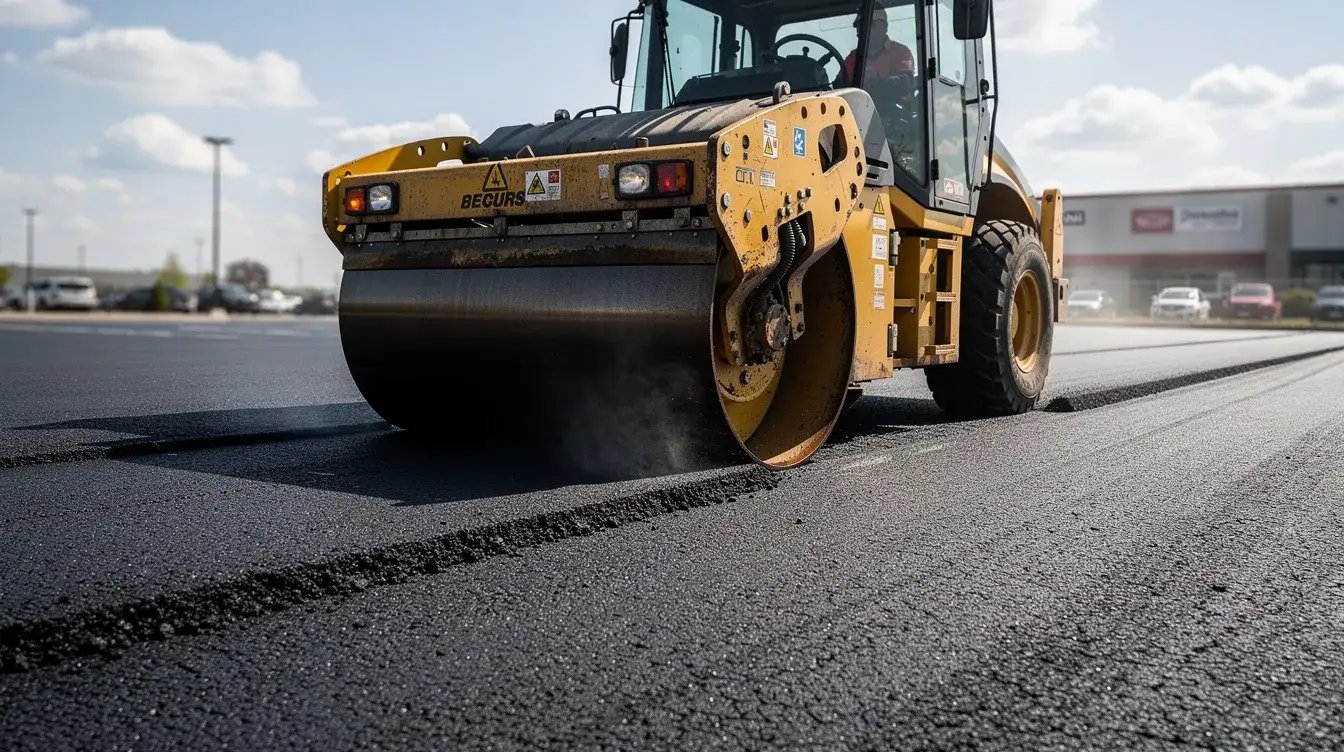
The paving industry in Utah has experienced a wave of innovation, resulting in more efficient, durable, and high-quality paving solutions for both residential and commercial projects. Modern asphalt paving contractors now utilize advanced equipment, such as paving machines with precise temperature controls, ensuring consistent compaction and a smoother, longer-lasting surface. These technological upgrades help deliver top-tier paving services on every job, from driveways to large parking lots.
The introduction of geosynthetic materials and sophisticated drainage systems has significantly improved the performance and longevity of paved surfaces. These materials reinforce the pavement structure and help manage water flow, reducing the risk of cracks and potholes over time.
Warm-mix and cold-mix asphalt technologies have also transformed the industry. These new asphalt mixes allow for paving in a wider range of weather conditions, reduce energy consumption during production, and lower emissions, making projects more environmentally friendly and cost-effective.
Digital tools are now a staple in the paving process. GPS-guided paving machines and drones enable contractors to map sites with pinpoint accuracy, optimize grading, and monitor progress in real time. This results in more efficient project management and higher quality outcomes for customers.
By embracing these advances, paving companies can offer innovative, durable, and efficient paving solutions that meet the evolving needs of their clients while maintaining high standards of quality and performance.
How to Choose the Right Paving Contractor
Selecting the right Utah asphalt paving contractor can add 5–10 years to pavement life and prevent costly failures.
Licensing and Insurance
Verify state or local contractor licenses, confirm general liability and workers’ compensation insurance, and check for any asphalt-specific certifications. Unlicensed work risks subpar results and legal issues.
Experience and Portfolio
Ask for examples of similar jobs completed in the last 5–10 years in Utah. Request to inspect current work sites when possible, this reveals real-world quality better than photos.
References and Reviews
Look at recent online reviews, request contact info for past clients, and ask specifically about:
- Long-term performance (cracking, drainage issues)
- Customer service after the job
- How problems were resolved
Detailed Written Estimates
Quality estimates spell out base preparation, asphalt thickness, drainage work, milling or removals, striping, and optional upgrades like fabric membranes. Vague quotes often hide shortcuts.
Communication and Responsiveness
A contractor who returns calls quickly, provides clear timeframes, and offers a single point of contact typically delivers smoother projects.
Warranty Coverage
Standard workmanship warranties typically range from 1–3 years. Some contractors offer extended warranties, but these are usually tied to upgraded construction standards—such as increased pavement thickness or significant base stabilization prior to paving. In other words, longer warranties are often available when additional investment is made to ensure a more durable, long-lasting asphalt system. Be sure to understand what is covered, and how future maintenance or repairs are handled.
Cost of Hiring a Paving Contractor
Pricing remains volatile due to fuel and material fluctuations tied to oil prices. Only a site-specific quote can be precise, but national ballparks provide guidance.
| Project Type | Typical Cost Range |
| New residential driveway | $3–12 per sq ft |
| Driveway resurfacing | $2–5 per sq ft |
| Commercial parking lot | $1.50–4.50 per sq ft |
| Sealcoating | $0.10–0.40 per sq ft |
| Crack sealing | $0.03–0.60 per sq ft |
| Pothole repair | $4.50–60 per sq ft |
Major Cost Drivers
- Project size and truck access (poor access raises mobilization costs)
- Asphalt thickness and number of layers
- Base condition or need for soil stabilization (can add 20–50%)
- Drainage improvements
- Striping and markings
- Complex phasing for open businesses (adds 15–30% to labor)
Saving Money
Consider bundling work with neighbors, scheduling during a contractor’s off-peak season (late fall or early spring in some regions), or prioritizing critical areas first if budget is tight.
Written quotes should include start and completion windows, payment schedules, and allowances for unforeseen base repairs.
Pavement Maintenance and Long-Term Care
Even high-quality asphalt requires maintenance to reach its full lifespan. A good paving contractor outlines a multi-year care plan after installation.
Routine Maintenance Items
| Service | Recommended Frequency |
| Crack sealing | Annually or as needed |
| Sealcoating | Every 3–5 years |
| Pothole patching | As issues appear |
| Professional inspection | Every 1–2 years for commercial |
Well-maintained residential driveways last 15–25 years. Commercial parking lots typically reach 15–20 years before major rehabilitation.
Resurfacing vs. Full Replacement
Resurfacing, an asphalt overlay, installs a new asphalt layer over largely intact pavement, appropriate when the base remains sound. Full replacement removes old pavement and rebuilds the base, necessary when structural or drainage problems exist.
Neglecting oil spills, clogged drainage, and small cracks can shorten pavement life by several years and increase total lifecycle costs 2–3x.
Working with a Paving Contractor on Active Sites
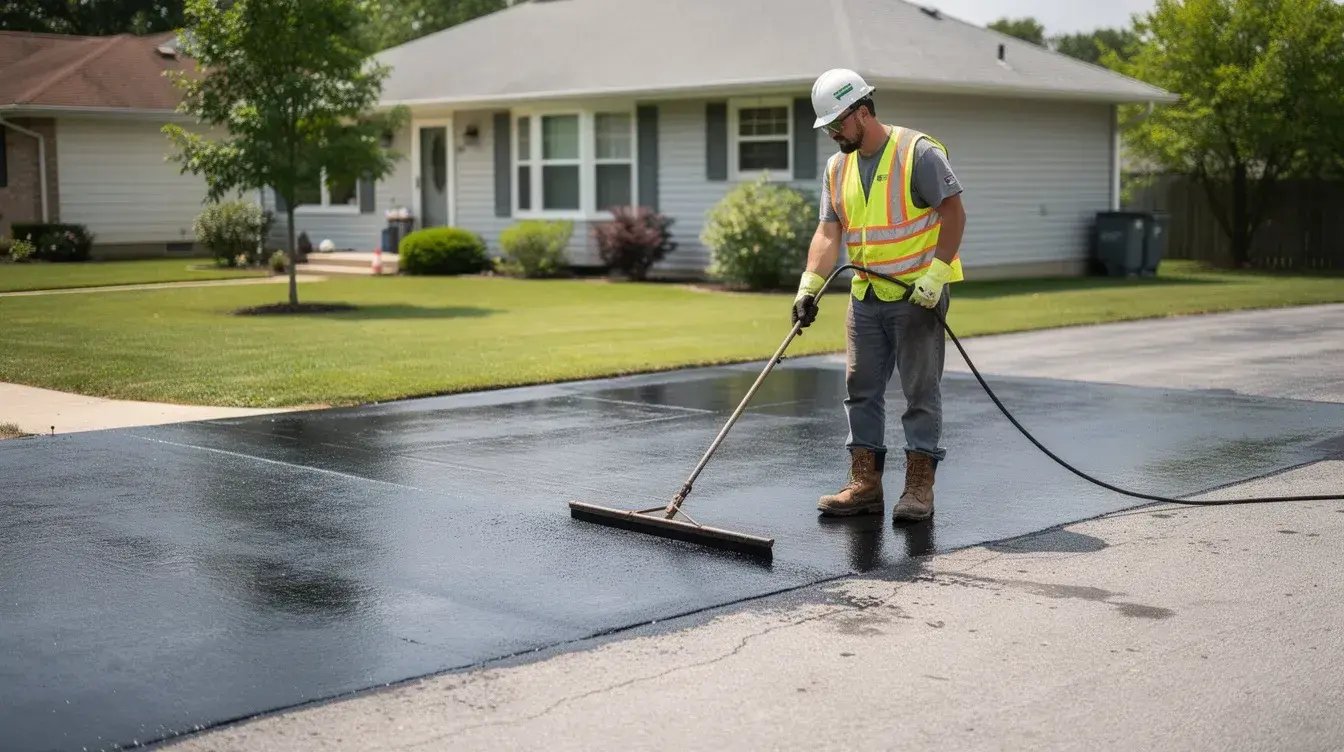
Many Utah asphalt paving projects occur at locations that must stay open, offices, retail centers, apartments, and schools. For example, our team recently completed a resurfacing project on North Main Street, demonstrating our experience managing active site work while minimizing disruption.
Phasing and Scheduling
Contractors divide parking lots into sections, work nights or off-peak hours, and coordinate entrance closures to keep tenants, shoppers, or residents moving throughout the project.
Safety and Traffic Control
Professional paving solutions for active sites include:
- Signage and cones marking work zones
- Flaggers directing traffic
- Clearly marked alternative routes
- Protection for pedestrians and the crew
Communication Plans
Expect advance notices to tenants or customers, posted diagrams of closed areas, and schedule updates if weather causes delays.
Experienced contractors regularly handle projects with added constraints like security checkpoints, limited access windows, or university academic calendars.
Customer Service
Exceptional customer service is at the heart of every successful Utah paving company. From the initial consultation to the completion of a paving project, clear communication and prompt responses are essential for building trust and ensuring customer satisfaction.
Utah paving contractors who prioritize customer needs, by providing detailed project updates, addressing concerns quickly, and delivering high-quality paving services, set themselves apart in a competitive market. Every project, whether it’s a small residential driveway or a large commercial parking lot, should meet or exceed customer expectations for quality and professionalism.
A customer-centric approach not only leads to long-term relationships but also encourages referrals and positive online reviews, which are vital for business growth. By actively seeking and acting on customer feedback, paving companies can continually improve their services and maintain a reputation for reliability and excellence.
Ultimately, focusing on customer service helps paving contractors deliver outstanding results on every job, ensuring customers return for future projects and recommend their services to others.
Frequent Paving Contractor Questions
How far in advance should I book a paving contractor?
Peak paving season runs from late spring through early fall in most regions, when temperatures support optimal asphalt installation. Contact contractors 6-8 weeks before your desired start date. Large commercial or institutional projects may require several months of lead time. Emergency repairs and small patches can often fit into schedules on shorter notice.
Can asphalt paving be done in cold or very hot weather?
The most reliable results occur when air temperatures stay between 50°F and 90°F with dry conditions for at least 24 hours. Work outside this range reduces long-term performance, cold causes asphalt to cool too quickly, while extreme heat softens the mix excessively. Follow your local contractor’s guidance, as regional climate and mix designs influence the workable season.
How long will a new asphalt driveway or parking lot last?
Well-built residential driveways typically last 15–25 years, while commercial parking lots may reach 15–20 years before major rehabilitation. Proper base construction, traffic load, local climate, and regular maintenance impact lifespan more than the initial surface alone. Ask your contractor what service life they’re designing for and what maintenance schedule they recommend.
Do I need permits or inspections for a paving project?
Requirements vary by city, county, and state, depending on whether work is new construction, resurfacing, or repair. Reputable paving contractors are usually familiar with local permit processes and can handle them or advise you directly. Check with your local building or public works department early to avoid project delays.
What is the difference between patching, resurfacing, and full replacement?
Patching addresses localized potholes or failed areas. Resurfacing installs a new asphalt layer over largely intact pavement. Full replacement removes old pavement and rebuilds both base and surface. Contractors typically recommend patching for isolated damage, resurfacing for widespread surface wear with a sound base, and full replacement when structural or drainage problems exist.